Smart home systems in modern Polish residential buildings
An overview of automated technologies covering lighting management, climate regulation, residential security, and energy monitoring — as implemented across Polish households and newly built estates.
Overview
What home automation covers
Residential automation integrates several distinct subsystems that operate independently or in coordination through a central controller or application.
Lighting Control
Automated lighting systems allow scheduling, motion-based activation, and remote adjustment of brightness and colour temperature. Protocols such as Zigbee and Z-Wave are commonly used in Polish installations.
Climate Regulation
Programmable thermostats and zone-based heating systems reduce energy waste by adapting room temperature to occupancy patterns. Many systems now interface with photovoltaic installations.
Security & Access
Residential security in automated homes typically includes IP cameras, smart door locks, window sensors, and alarm integration — often accessible via a mobile application.
Energy Monitoring
Smart meters and submetering devices allow tracking of electricity, gas, and water consumption per circuit or appliance. Some Polish utility providers offer real-time data export.
Network Infrastructure
A stable local network is the foundation of any home automation setup. Mesh Wi-Fi systems and dedicated IoT VLANs help separate smart device traffic from personal data.
Solar Integration
Photovoltaic systems paired with home automation allow automatic load shifting — running high-consumption devices during peak solar generation hours.
Featured
Recent articles
Detailed overviews of individual automation categories, with attention to technology standards, local deployment practices, and common installation approaches.

Smart Lighting Systems: Protocols, Devices, and Setup in Polish Homes
A look at how connected lighting works — from Zigbee-based bulbs to DALI installations in multi-room apartments.
Read article
Home Climate Control: Thermostats, Zoning, and Heating Automation
How programmable and smart thermostats change heating behaviour in Polish apartments and detached houses.
Read article
Residential Security Systems: Cameras, Locks, and Alarm Integration
Overview of IP-based security components commonly found in automated homes across Poland.
Read article
Context
Home automation in Poland
Poland's housing market has seen a notable uptake of automated features in newly built residential developments. Developers in the Warsaw, Wrocław, and Tricity metropolitan areas increasingly incorporate pre-wired solutions supporting smart metering and access control as standard.
Existing housing stock presents different challenges — retrofitting wireless systems such as Z-Wave or Zigbee is typically less invasive than running new cabling, making these protocols common in renovation projects.
The EU's Energy Performance of Buildings Directive (EPBD) sets a framework that influences how Polish builders approach automation-readiness in new construction, particularly regarding smart meter integration and building energy management systems.
EU Energy Efficiency Framework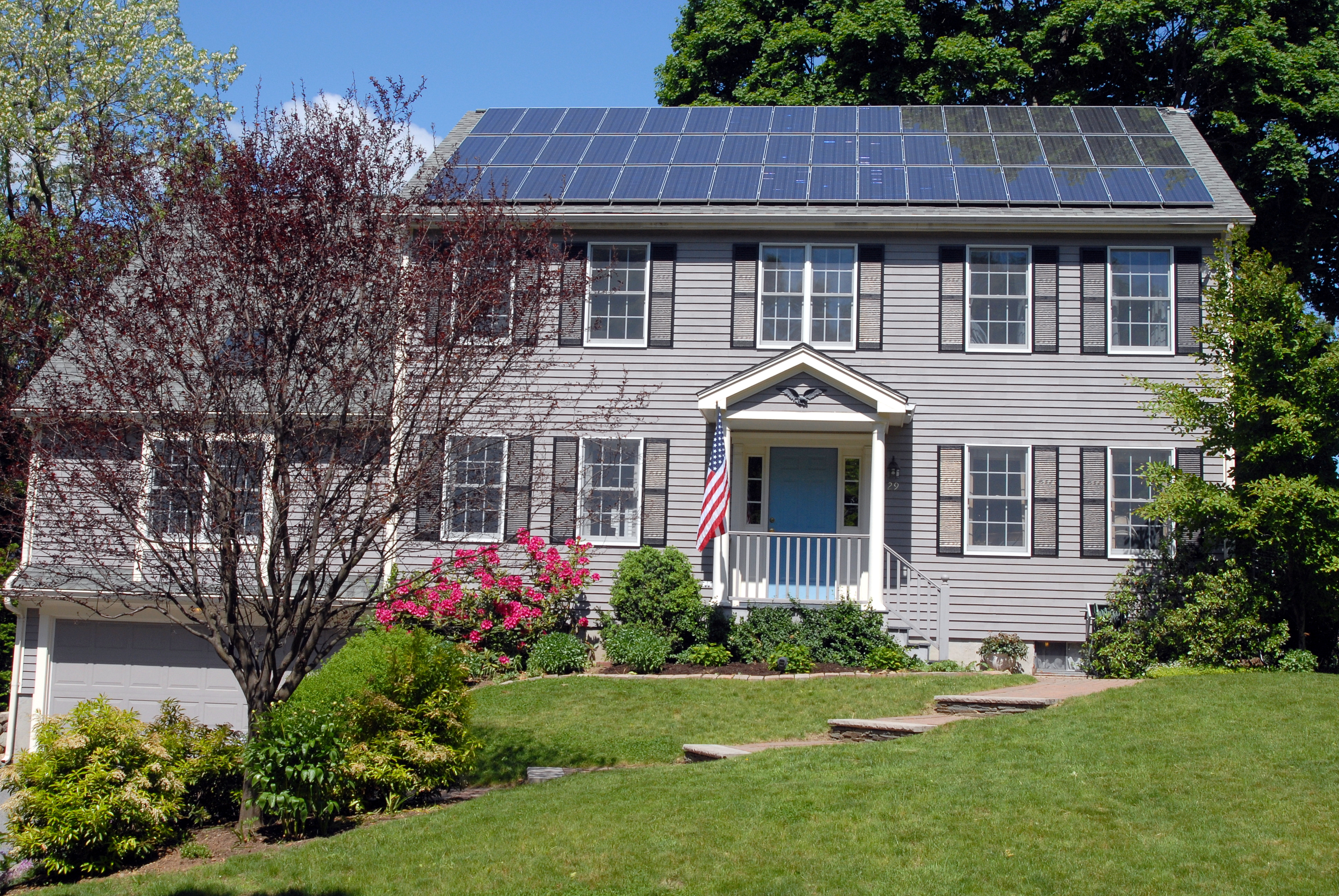
Energy
Photovoltaics and load management
Poland's prosumer electricity regulations allow residential solar system owners to export surplus energy to the grid. Home automation controllers can coordinate appliance scheduling with solar output to reduce import costs.
Heat pumps, EV chargers, and water heaters are commonly automated to operate during midday solar peaks. Energy management systems (EMS) from vendors such as SMA, Fronius, and Growatt offer integration APIs for this purpose.
The URE (Urząd Regulacji Energetyki) publishes publicly available data on net metering volumes, providing context for the scale of residential solar adoption in Poland.
URE — Polish Energy RegulatorContact
Send us a message
Use the form below to reach out with questions, suggestions, or corrections to published content.